Hello!Welcome to Shanghai Sheeny Metal Materials Co.,Ltd. Website!
Hotline:+86-400-6632276

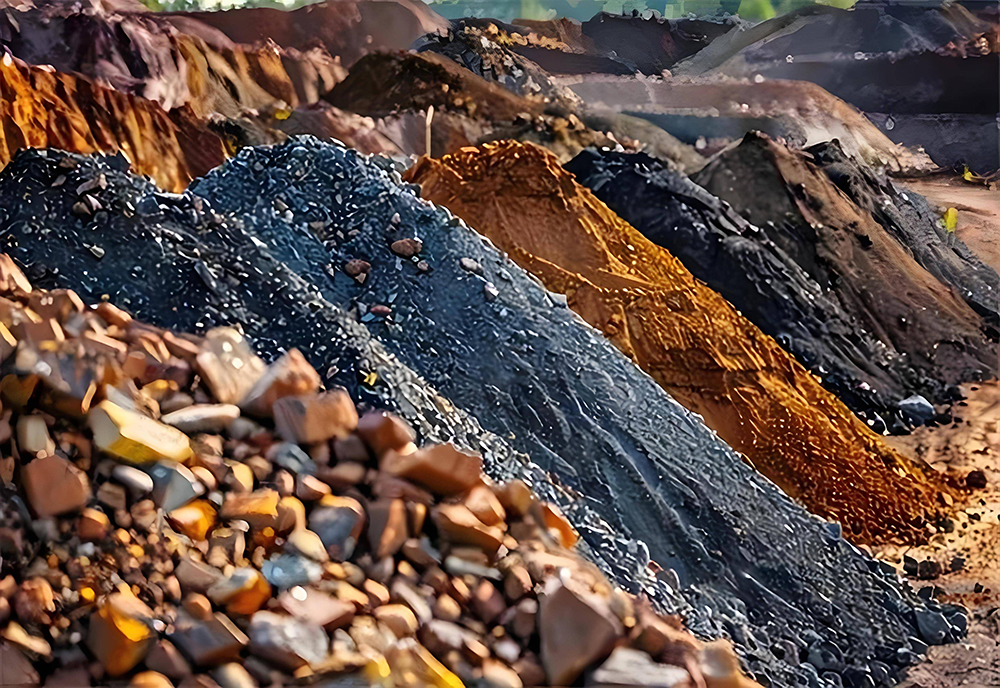
What we need to emphasize is that the control over dual-use items such as rare earths is reasonable, legitimate and in line with international non-proliferation obligations, and it is aimed at maintaining world peace and national interests.
According to a report by the Japan New Metal Association, Japan's demand for rare earths in 2024 is expected to reach 18,835 tons, an increase of 14.6% year-on-year, approaching the figure in 2019. Among them, the demand for mixed oxides of praseodymium, neodymium and cerium is the largest, mainly used in the production of neodymium iron boron, phosphors, ceramic capacitors, catalysts and polishing materials.
Since 2010, Japan has reduced its reliance on China for rare earths to 50-60% (from a peak of 90%) by lending to Lynas and making investments.
Of course, this is only direct rare earth exchange. Indirect demand (components, parts, and end products) is not included.
So, if we talk about "dependence", it still exists and is not insignificant. However, Japan should have some reserves. Considering oxidation and other corrosive effects, the types and quantities cannot be too large. As is well known, rare earths are used everywhere (from smartphones to F35; from Aegis ships to China's space station), and they are very crucial, reflected in the competitive advantages of products. For instance, missiles can be fired more accurately and armor protection is stronger. Therefore, although Japanese enterprises may have some inventory, it cannot solve the urgent problem.

Room 310, Building 1, No. 326, Jinyuan Third Road, Jiading District, Shanghai
Tel : +86-400-6632276
Mobile&Whatsapp : +86 19916550170
Email : sales@eternal-element.com
Scan to wechat :


